
Sourcing an LC lens is rarely a simple procurement task—and sourcing one that actually delivers glasses-free 3D without compromising 2D image quality is harder still. OEM and ODM teams typically run into the same set of problems:
- Small volumes get turned away. Suppliers want high MOQ or won’t touch a custom spec at all.
- Optical specs stay opaque. Yield, cell gap, and optical performance are inherited from someone else’s process, with no visibility into how they were achieved.
- Design changes mean long re-tooling cycles. Lens pitch and view count are fixed to whatever panel the supplier already has.
- Lead time and yield are outside your control. Core components are outsourced, so delivery dates shift without warning.
- And the 3D itself is often a compromise. Crosstalk, dimmed brightness, or a 2D mode that visibly degrades the panel’s native resolution.
ViewX is built to solve exactly these problems. We design and manufacture autostereoscopic 3D LC lenses (liquid crystal lenses) in our own micro-scale semiconductor production line, control the 3D interleaving logic on our own SoC board, and deliver at whatever level of integration your team needs—from a bare optical component to a turnkey glasses-free 3D display system. Every tier is built around one requirement: native 3D in stereo mode, lossless native 4K in 2D mode.
1. Three Ways to Work With Us
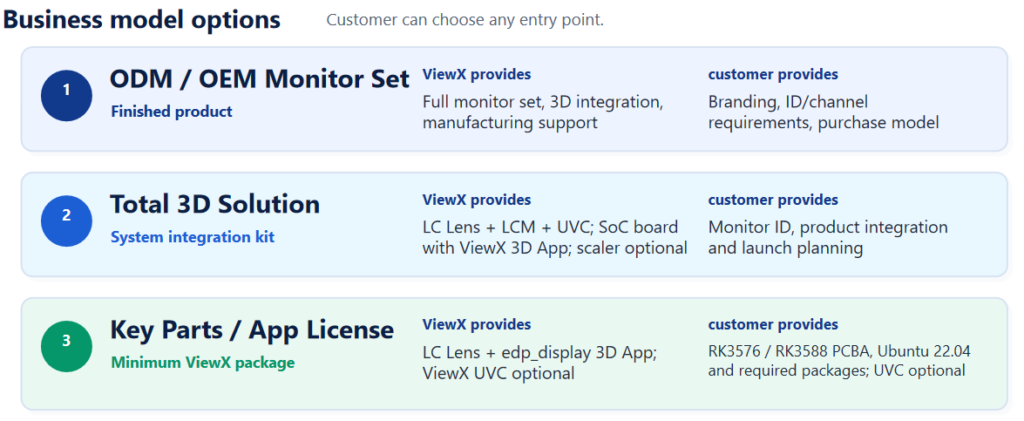
Our OEM/ODM model is deliberately tiered, so you choose the entry point that matches your in-house R&D capacity:
- Level 1 — Optical component only. We deliver the autostereoscopic LC lens cell to your specification. Your team handles bonding, integration, and system design.
- Level 2 — Module-level bonding and calibration. We bond the lens to your panel, calibrate the 3D optics, and deliver a validated autostereoscopic module ready for your mechanical and electrical integration.
- Level 3 — Turnkey glasses-free 3D system. We deliver a complete display with our in-house SoC board, embedded OS, and full 3D algorithm stack. Plug in SBS and get native 3D out.
Most partners start at one level and move up as the program matures. There is no obligation to take the full stack on day one.
2. Manufacturing Depth: What “In-House” Actually Means
An LC lens is a micron-scale liquid crystal device. Its optical yield and 3D performance ceiling are dictated by cleanroom class and front-end process capability—not by marketing claims. This is where we differ from the common “buy film, laminate it” approach, which cannot control lens pitch precisely enough to deliver clean autostereoscopic 3D.
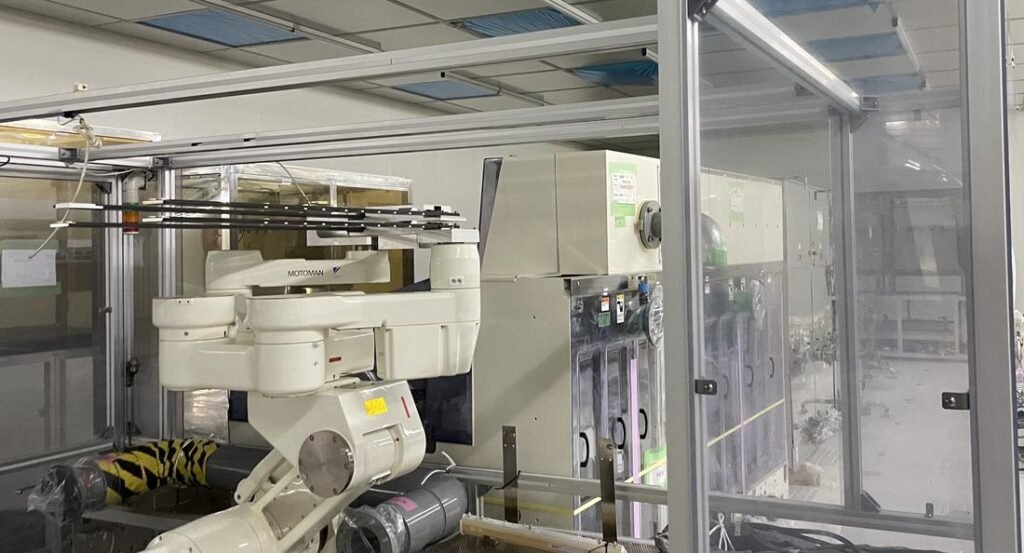
Our facilities:
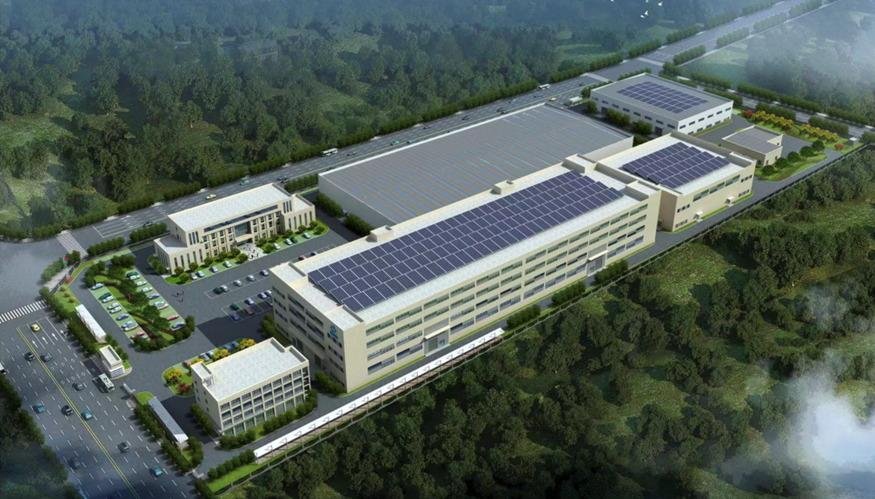
- A 10,000 m² Array cleanroom
- A 4,224 m² Cell cleanroom, including 2,112 m² of Class 1000 cleanroom
Our process loop: 45 core panel process tools cover every critical step in-house:
- Array stage: PVD, CVD, photolithography, wet/dry etching
- Cell stage: PI coating, rubbing alignment, sealant dispensing, ODF assembly, UV curing
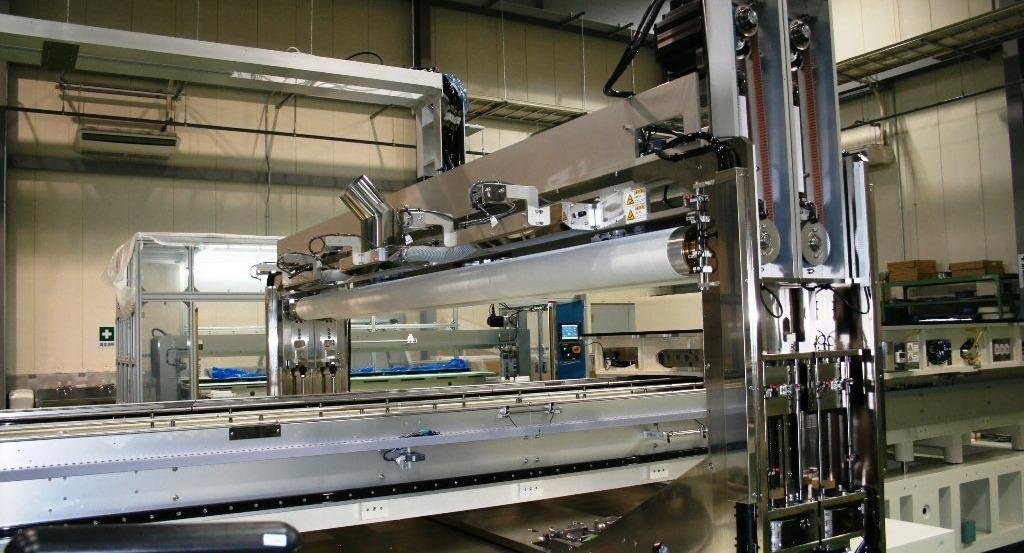
Nothing critical is outsourced. That translates directly into what matters for a 3D program: lens pitch and cell gap can be re-tuned for clean stereo separation, crosstalk can be controlled at the process level, and yield and lead time stay under our own control.
3. What We Can Customize
Size. Our autostereoscopic LC Lens supports the full 4″ to 31.5″ range. We have validated 12.1″, 15.6″ (our mainstream mass-production size), and 27″. Lens pitch, slant angle, and view count are redesigned around your panel’s sub-pixel layout—not forced onto it—which is what makes native 3D possible on your existing panel rather than a compromise version of it.
Thickness. With 0.15 mm ultra-thin substrates and refined cell-gap engineering, the added thickness after bonding lands between 0.4 mm and 4.5 mm, fitting the stacking budgets of slim terminals.
Image quality and 3D control. Three capabilities that define the result:
- Native 4K in 2D, zero resolution loss. Lens pitch tracks the panel sub-pixel pitch, so we don’t lock resolution (FHD through 4K UHD). In the unpowered 2D state the lens is optically flat—clarity and color are identical to the bare panel. No dimming, no softening, no “3D panel that’s worse at 2D.”
- Direct SBS input, native 3D out. Whether the source is a PC or a specialized instrument, the system reads standard side-by-side stereo directly and renders true native 3D—no re-computation, natural depth, low crosstalk.
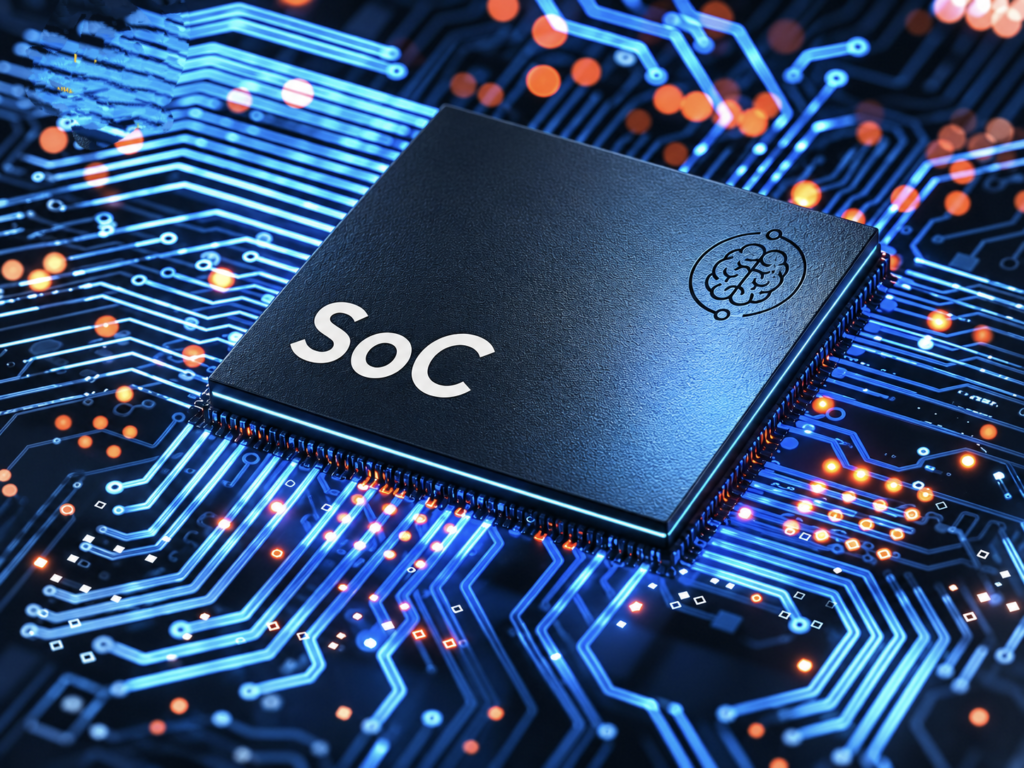
- In-house SoC board owns the 3D interleaving. Unlike passive-optics-only suppliers, we design our own embedded SoC controller (RK3588 / RK3576-class ARM architectures). That means we can decide and execute 3D view interleaving, sub-pixel remapping, and crosstalk correction on the display side, with a self-developed 180 fps UVC pipeline and eye-tracking loop running on-board. Your host GPU stays untouched, and the glasses-free 3D experience is tuned end-to-end by one vendor.
4. Already Proven Across Demanding Applications
The same manufacturing capability that makes native 3D possible has already been validated in production programs across:
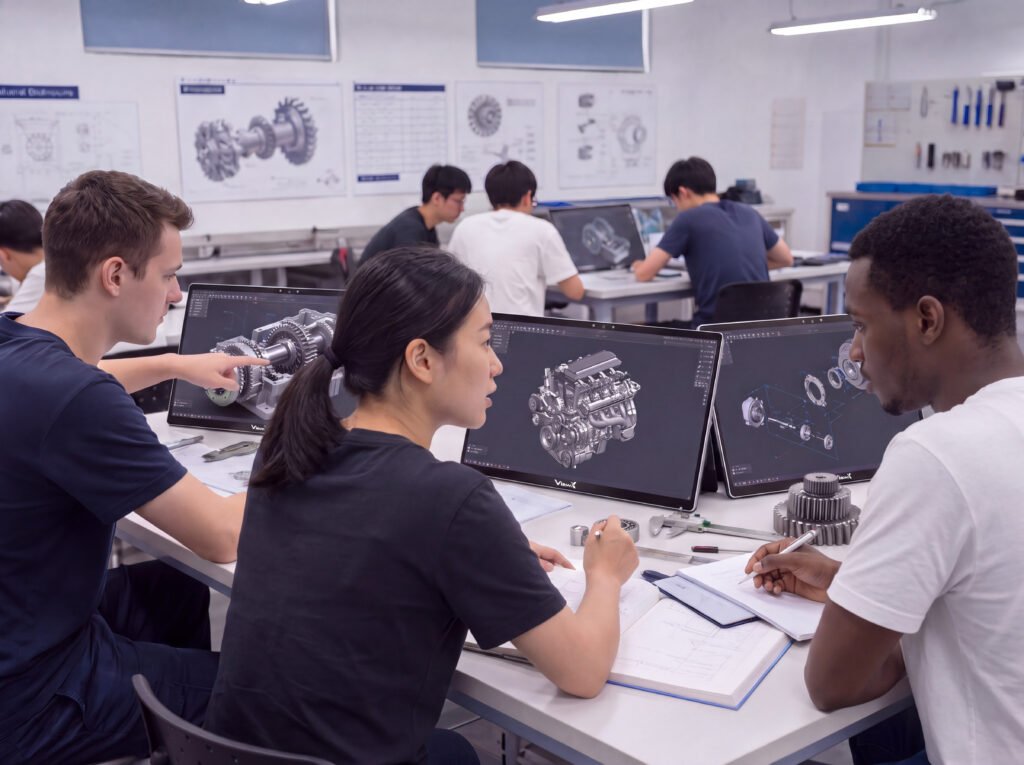
- Education — 12″–15″ eye-care learning terminals and 21.5″+ desktop study screens, where glasses-free 3D for geometry and anatomy coexists with native 4K lossless 2D for reading, on one panel
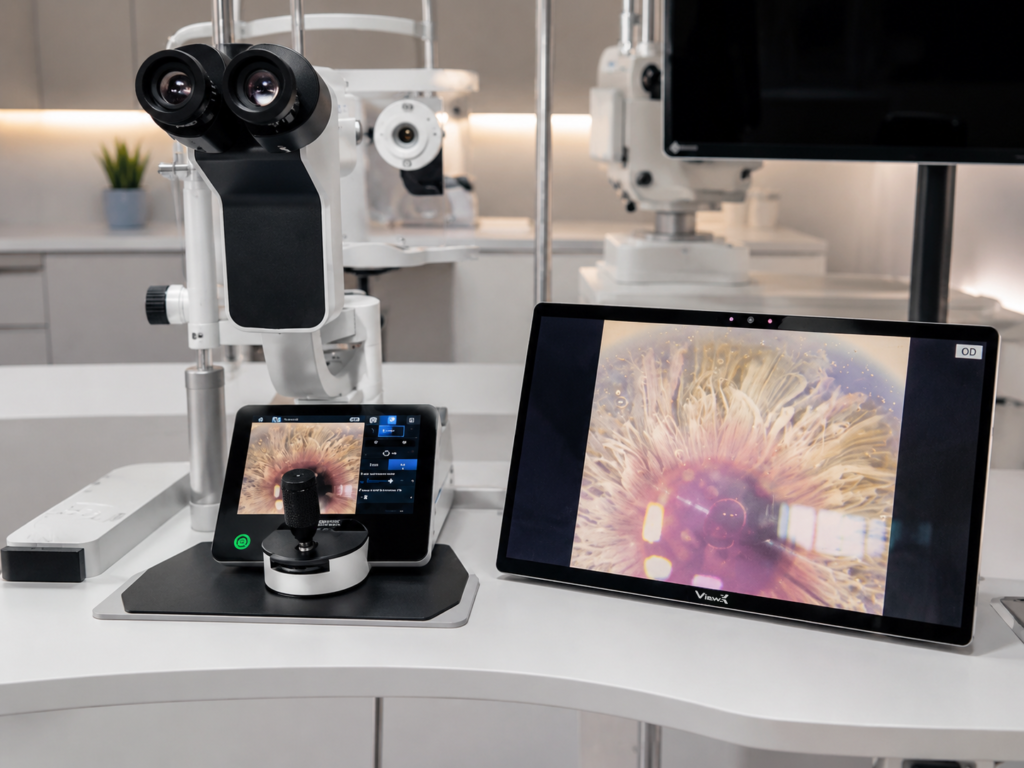
- Healthcare — closed medical systems that cannot host third-party renderers, using our on-board SoC to ingest SBS from binocular endoscopes or surgical microscopes and output native 3D with zero host compute, while 2D imaging stays native 4K. Our autostereoscopic LC lens has also been validated for compatibility with a leading slit-lamp platform for ophthalmic diagnostics by a Swiss company.
- Precision instruments — metrology and semiconductor inspection, where 2D measurement stays pixel-exact at native 4K and depth inspection runs on true stereo 3D

- Automotive — smart-cockpit displays in the 4″–31.5″ window, with 3D interleaving handled on-screen to spare the head unit and 4K native 2D preserved
- Aerospace — flight simulation, ground tele-op, and avionics terminals requiring glasses-free spatial depth, 4K lossless 2D, and a reliable supply chain
In each case, the enabling factor is the same: a self-controlled production line, a board we designed, and the ability to re-engineer autostereoscopic optics per project rather than per catalog.
Let’s Talk Specs
If you have a panel, a target size, and a 3D optical requirement, we can tell you quickly whether it’s feasible, what the added thickness will be, and which delivery level makes sense for your program.
Send us your spec sheet to start an evaluation—or ask about small-batch prototyping.